How to Wear a Brooch: Styling Guide 2026
This article contains affiliate links. We may earn a commission if you make a purchase through these links, at no extra cost to you.
Brooches are back, and they are more versatile than their reputation suggests. Most people think of a brooch as something pinned to a blazer lapel and left there. In practice, a brooch is one of the few pieces of jewelry that works on almost any garment: coats, dresses, sweaters, scarves, hats, and bags. The trick is placement, proportion, and knowing when one brooch is enough.
This guide covers where to wear a brooch, how to match it to an outfit, how to size it to your frame and fabric, and how to keep it secure. No styling experience required.
Where to Wear a Brooch
The classic lapel. The upper lapel of a blazer or coat, roughly at chest height, is the traditional spot and still the most flattering for most brooches. It puts the brooch near your face, where it catches light when you move, and it works with any brooch size.
The shoulder. Pinning a brooch at the shoulder, where a strap or seam sits, works well for dresses and tops without lapels. It draws the eye upward and pairs nicely with off-shoulder or one-shoulder necklines.
The waist. A brooch at the waist, used to gather fabric or mark a belt line, defines the waist on dresses and cardigans. This placement suits larger, flatter brooches that sit flush against fabric.
Off the clothing entirely. Brooches work on scarves (to hold a wrap closed), on hats (at the band), and on bags (as a removable accent). A brooch on a handbag is an easy way to wear a statement piece without committing to it on your outfit.
Matching a Brooch to an Outfit
One focal point. A brooch is a focal point. If you are wearing a statement necklace or large earrings, skip the brooch or choose a very small one. If the rest of your jewelry is quiet, the brooch can carry the outfit.
Match the metal, not the theme. Your brooch’s metal should match your other jewelry metals: silver brooch with silver earrings, gold with gold. Mixed metals can work, but they need to look deliberate, for example a two-tone brooch bridging silver and gold pieces.
Contrast with the fabric. A dark brooch disappears on dark fabric and a pale brooch on pale fabric. Put a light-colored or crystal brooch on dark coats, and a darker or colored enamel brooch on light fabrics. Texture matters too: a smooth crystal brooch pops on matte wool, while a matte enamel brooch suits smooth silk.
Scale to the garment. A large statement brooch needs a sturdy fabric and a simple outfit around it; on a fine silk blouse it will pull and sag. Small, light brooches suit delicate fabrics. As a rule, the heavier the brooch, the heavier the fabric should be.
Brooch Styles and When Each Works
Crystal and rhinestone brooches. The most versatile evening option. They read as jewelry rather than accessory and suit formal outfits, dark fabrics, and occasions where you want sparkle without a necklace.
Floral brooches. The classic daytime brooch. Flower designs soften structured outfits like blazers and work well on spring and summer dresses.
Vintage and antique-style brooches. These carry the most character and pair best with simple, modern outfits that let the brooch stand out. A vintage brooch on a plain black dress is a complete look on its own.
Minimalist and geometric brooches. The easiest entry point if brooches feel old-fashioned to you. A simple bar, circle, or abstract shape reads contemporary and works with workwear.
See vintage crystal brooches on Amazon
Keeping a Brooch Secure
A lost brooch is almost always a clasp problem, not a fabric problem. Standard pin backs open when snagged; if your brooch matters to you, replace the back with a locking pin back, which requires a deliberate twist to open. For heavy brooches on light fabric, add a small piece of felt behind the fabric at the pin site: it distributes the weight and stops sagging. Check the pin hinge occasionally, since a loose hinge is the first sign a back is about to fail.
See locking pin backs on Amazon
Frequently Asked Questions
Which side do you wear a brooch on? Traditionally the left, but there is no rule that matters. Wear it on the side that faces the room when you enter, or whichever side your outfit’s design favors. Symmetry with your parting or bag strap is a better guide than tradition.
Can you wear a brooch on a sweater? Yes, if the knit is firm enough. Loose or chunky knits will sag under a heavy brooch and the pin can slip between stitches. Choose a light brooch for knitwear, or pin through a seam where the fabric is denser.
How many brooches can you wear at once? One is the safe default. Two small brooches can work as a deliberate cluster on a lapel or scarf, but they should share a metal and a theme. Three or more almost always looks cluttered.
Do brooches damage clothing? A pin leaves a small hole, which closes in most fabrics but can show on very fine silk or leather. For delicate or expensive garments, pin through a seam or use a magnetic brooch back, which avoids holes entirely.
Are brooches only for formal occasions? No. A small geometric brooch on a denim jacket or a floral brooch on a cardigan is everyday wear. The formality comes from the brooch’s size and sparkle, not from the fact that it is a brooch.
The Short Version
Put one brooch at the lapel, shoulder, or waist; match its metal to your other jewelry; contrast it with the fabric; scale it to the fabric’s weight; and secure it with a locking back. That is the whole system, and it works for everything from a crystal statement piece to a small enamel pin.
Related Guides
- Best Brooches for Women — Christmas Gift Guide 2026 — if this guide convinces you to buy one, start here.
- How to Wear Gold Jewelry Without Looking Overdone: The Minimalist’s Guide (2026) — the same one-focal-point principle applied to all your jewelry.
- Pandora vs Pavoi: Ultimate Brand Comparison 2026 — the two brands behind many of the brooches you will find while shopping.
You Might Also Like
PANDORA vs adoyi vs Howoo: Which Beaded Bracelet Under $70 Offers the Best Value?
PANDORA vs adoyi vs Howoo: Which Beaded Bracelet Under $70 Offers the Best Value?…
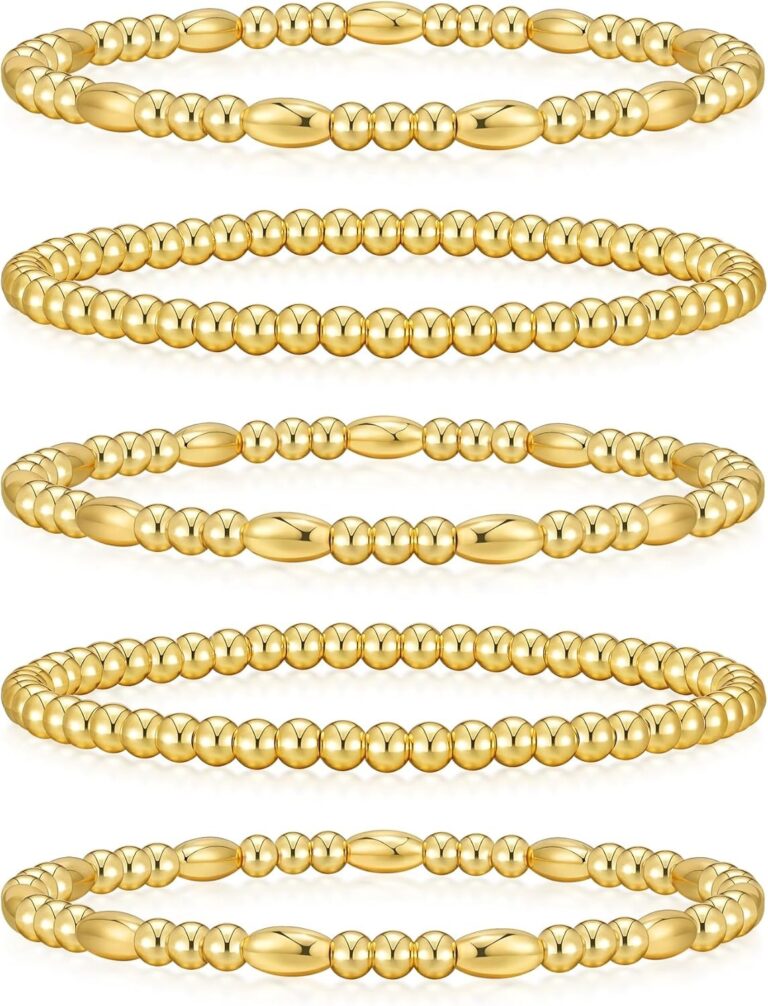
Beaded Bracelet Stacking Guide: 3 Best Gold Bead Sets Compared (2026)
Stacking bracelets is 2026's biggest jewelry trend. From an $8 boho set to a…
PANDORA vs PAVOI vs BERRICLE: Which Red Crystal Pendant Under $90 Is Worth Your Money in 2026?
Disclosure: As an Amazon Associate, I earn from qualifying purchases. This article contains affiliate…